Freue Dich auf große Erlebnisse
LASS DICH ANSTECKEN VON DER FASZINATION Fotografie & Afrika
Wildlife Fotografie, Fotosafaris & Fotoworkshops, Bücher und Prints = Serengeti Wildlife by Uwe Skrzypczak

„Alles, was ich mir wünschte, war, nach Afrika zurückzukommen. Wir hatten es noch nicht einmal verlassen – und doch war ich, wenn ich nachts wach lag und lauschte, schon heimwehkrank.“
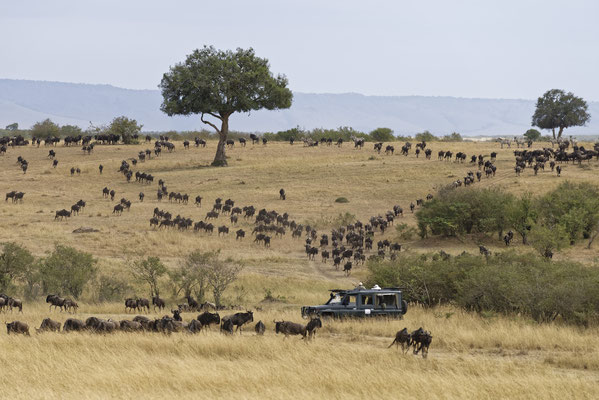
Ernest Hemingway brachte meine Gefühle auf meiner ersten Ostafrikareise vor über 20 Jahren mit diesen Worten auf den Punkt. Nirgendwo anders auf der Welt fühle ich mich seitdem mehr zuhause als in den großen Savannengebieten Ostafrikas – insbesondere im Serengeti-Mara-Ökosystem. Und die wildreichste Nordspitze dieses riesigen, immer noch intakten Naturreservates, die Masai Mara in Kenia, ist heute meine Heimat geworden. Fast alle der bekannten afrikanischen Großwildarten ziehen dort umher und in keinem anderen Wildschutzgebiet kann man die „Big-Five“ so hautnah in Aktion erleben. Wenn im Sommer während der „Great Migration“ auch noch die riesigen Gnu- und Zebraherden aus der Serengeti in die Masai Mara gezogen kommen, glaubt man zeitweise ob dieser riesigen, immer noch auf unserem Planeten existierenden Wildtierherden seinen Augen nicht zu trauen. All das, was man sonst nur in spektakulären Naturfilmen sehen kann – Jagdszenen von Löwen, Leoparden, Geparden oder Attacken von Krokodilen auf die großen Gnu- und Zebraherden, wenn sie den Mara-River durchschwimmen und noch vieles mehr – findet in der Masai Mara statt.
Und ihr könnt es mit mir auf meinen Fotosafaris & Workshops live erleben und fotografieren.
Wer dieses Abenteuer nicht auf sich nehmen will, findet hier auf meiner Website sehr viele Fotos in meinen neuen Galerien,
Informationen zum Thema Wildlife-Fotografie, Fachbücher, Prints und im Blog neuestes Bildmaterial aus Ostafrika.

Fotosafaris & Fotoworkshops
Foto-Workshops MIT UWE Skrzypczak und individuelle Fotosafaris
in die Maasai Mara, KENIAs Hotspot für Wildlife Fotografen
FÜR ENGAGIERTE FOTOAMATEURE, SEMIPROFIS UND NATURLIEBHABER
Termine 2024 & 2025
25 Jahre Jahre Erfahrung als Fotograf in Ostafrika sind durch keine noch so gute Werbung zu ersetzen.

In der Masai Mara fahren wir unsere täglichen Game-Drives mit den erfahrensten einheimischen Massai-Scouts mit offiziellen Offroad-Permits. Nicht zuletzt meine jahrzehntelangen Kontakte zu den Rangern in der Masai Mara erlauben es uns, dem Wild fast überall hin zu folgen und zu fotografieren.
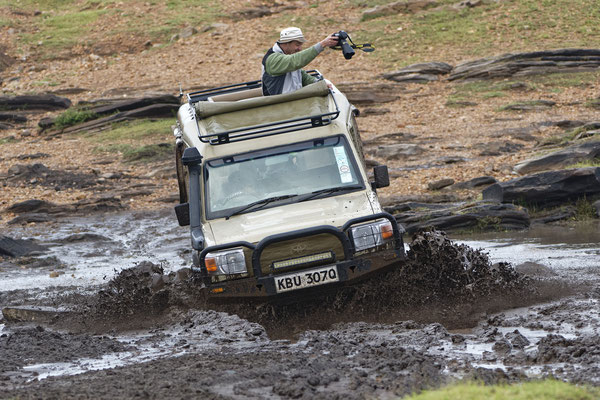
Wir nutzen auf allen Touren speziell für Fotografen umgebaute Toyota Landcruiser Geländewagen mit ausgebauten Seitenfenstern und zusätzlichen Dachluken.
Jeder Reiseteilnehmer verfügt über eine komplette Sitzreihe für sich – meist pro Fahrzeug nur 2 Fotografen/Gäste im Fahrzeugfond.
Genau dies ermöglichst gegenüber Standardsafaris den notwendigen Freiraum für das Fotografieren in alle Richtungen und lässt dem Fotografen genug Platz, um auch umfangreiche Fotoausrüstungen mit langen Teleobjektiven jederzeit griffbereit neben sich auf der Sitzbank zu verstauen.
Die Fotosafaris in die Maasai Mara können auch unabhängig von meinen Workshops mit freier Terminwahl und Reisedauer gebucht werden.
Speziell für Fotografen/Semiprofis sind exklusive Fahrzeugnutzung und Offroad Permits möglich. Preise auf Anfrage, sendet mir dazu gerne ein Email.

Hole Dir Afrika nach hause
Mein aktuelles Buch "Abenteuer Safari-Fotografie"
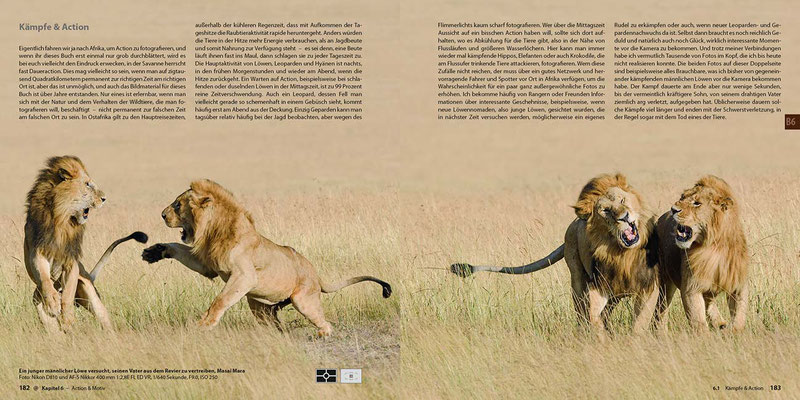
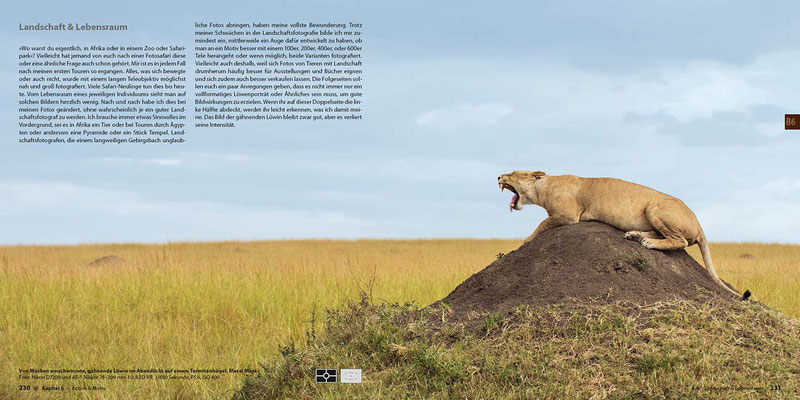
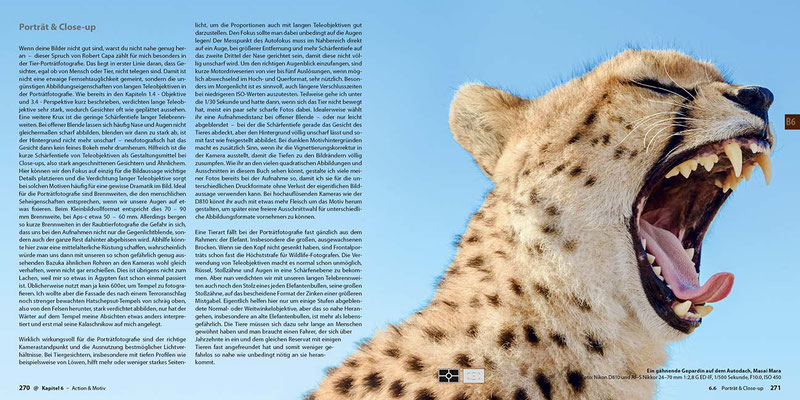
Mein neues Wildlife-Fotografie Buch, mit 392 Seiten und 800 beispielhaften Fotos, Illustrationen und Piktogrammen.
392 Seiten Softcover, Format 21 x 21 cm.





Fotogalerien










Serengeti Wildlife -Neuigkeiten
Meinen Blog Abonnieren und Immer auf dem Laufenden Bleiben!



HIER in meinem Blog geht es um meine Fotos, um Safari Erlebnisse meiner Wildlife Fotoworkshops, um die Erlebnisse meiner Gäste, Faszination Wildlife Fotografie, Reisemomente bei meinen Fotoreisen, alles Neues zu meinen Büchern, neue Artikel und Presse Veröffentlichungen.
Hier schreibe ich, sammle und archivieren alles für Euch zu meinen Fotos.
Hier freue ich mich, wenn Ihr mitstaunt, mitlest, zufällig vorbeischaut, hängen bleibt und natürlich auch dicke mit kommentiert.
Schreiben, Fotoliebe, Afrika Momente, Fotografie Tipps und Neues erzählen - auch meine Gäste was Sie bei meinen Fotosafaris & Wildlife Fotografie Workshops fotografieren, erleben und lernen.
Lass Dich anstecken von der Faszination Wildlife Fotografie, den Tieren und der Natur in Afrika und auf der gesamten Welt.

Presse national und international


Danke fürs Weitersagen!